Better choices do not need a complete reset. They begin with a little more understanding of the things we use, the routines we keep, and the information we need before buying.
A material name is a beginning
Natural, reusable and recyclable describe different things. None of them is a complete assessment of a product. Look for information about composition, intended use and care. If a claim sounds unusually broad, ask what evidence supports it.
Bamboo and cotton
Bamboo handles and cotton textiles can be useful in everyday products. Coatings, bristles, glues and blended fibres still matter. A bamboo-handled toothbrush, for example, may have bristles that need separate disposal. Never assume that a whole product can be composted because one part is plant-based.
Choose something useful. Understand it. Care for it. Use it again.
Steel, glass and silicone
Steel and glass can be durable when used and handled appropriately. Silicone offers flexibility and can be useful for repeated storage, but local end-of-life options may be limited. Confirm food-contact and heat guidance for the exact product.
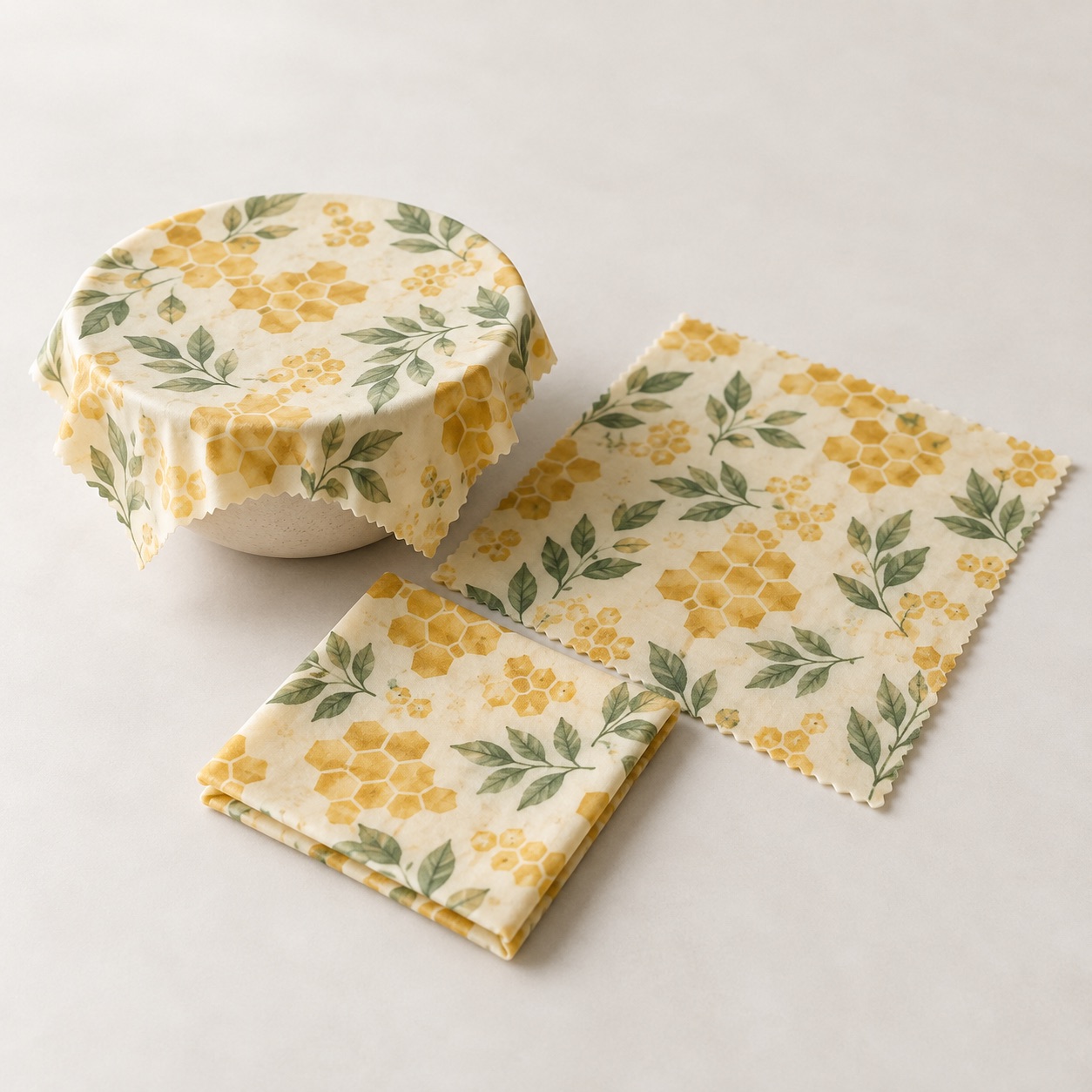
Ask more precise questions
Where was it made? What is it made from? What parts can be replaced? How should it be cleaned? What local disposal options exist? Specific answers are a better basis for a choice than a single green label.
Educational sample content for the GPS prototype. Product-specific claims and specifications require supplier verification.
More about our approach