Better choices do not need a complete reset. They begin with a little more understanding of the things we use, the routines we keep, and the information we need before buying.
Look for a useful purpose
A product earns its place when it solves a real problem. Before you buy, ask where it will live and how often you expect to use it. A beautiful object can still be impractical for your routine. Prioritise the everyday job, then consider the details that make it comfortable and enjoyable.
Read the construction details
Look at joins, closures, stitching and replaceable parts. Specific dimensions and material information are more useful than broad promises about quality. Ask the supplier for missing information before relying on a product for heat, food contact or heavy carrying.
Choose something useful. Understand it. Care for it. Use it again.
Consider care before buying
Some materials need air drying, gentle washing, or an occasional replacement part. A care routine should fit your home and the time you have. There is no universal best material: the right choice depends on how you will use and maintain it.
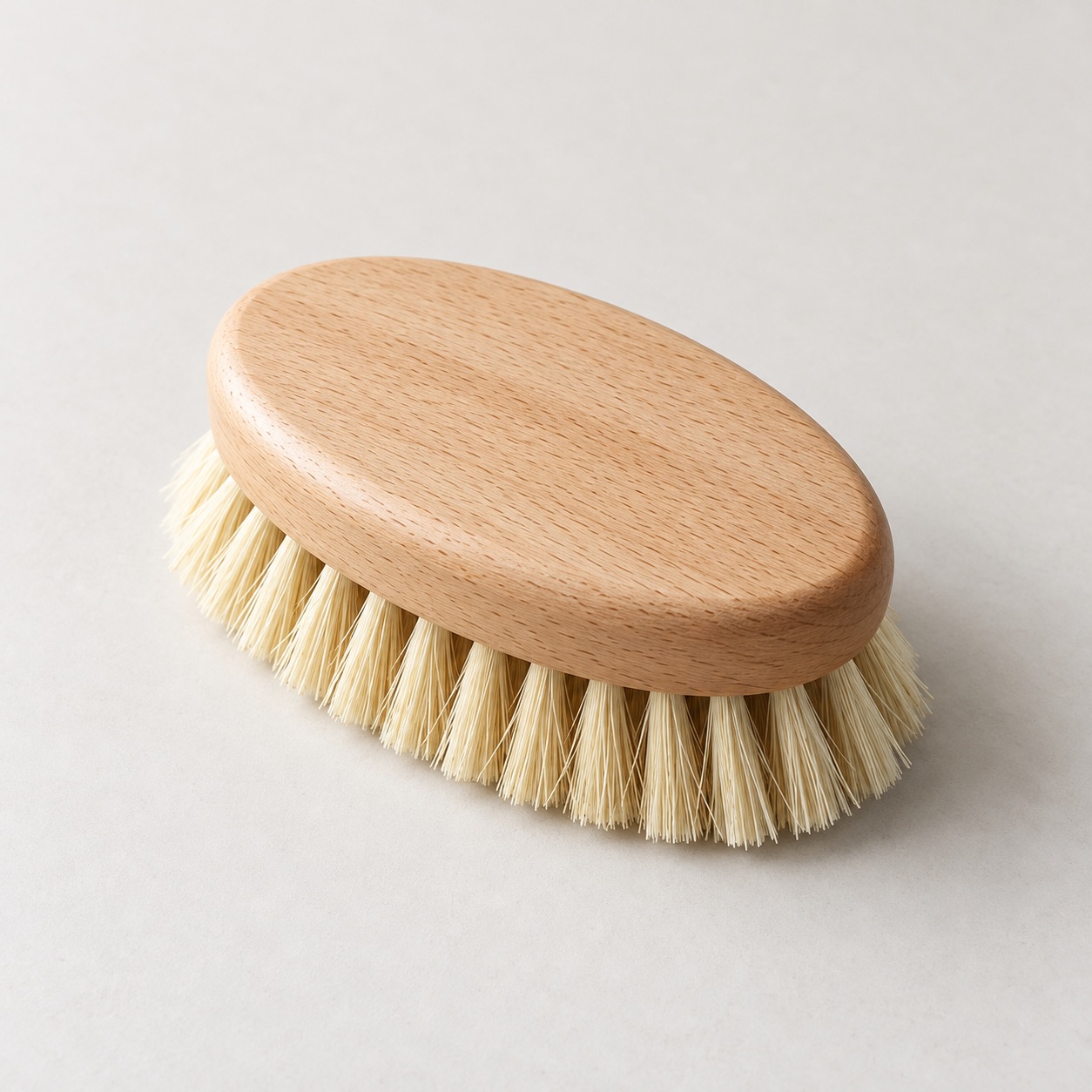
Keep it in circulation
Clean and store things well, check for damage, and replace worn parts when possible. If an item no longer serves you, consider whether it can be repaired, repurposed safely, or passed on. Follow local disposal advice when it reaches the end of its useful life.
Educational sample content for the GPS prototype. Product-specific claims and specifications require supplier verification.
More about our approach