
Better choices do not need a complete reset. They begin with a little more understanding of the things we use, the routines we keep, and the information we need before buying.
Start with your own kitchen
Before buying a reusable alternative, spend a week noticing what you actually use. Is it food storage, shopping bags, cleaning cloths, or packed lunches that come up most often? The most useful switch is usually close to a habit you already have. If you own something that still works, keep using it. A considered kitchen begins with attention, rather than a shopping list.
Choose a material for the job
Stainless steel is sturdy and useful for carrying food, but it should never go in a microwave. Cotton bags can be helpful for shopping, but some foods need a different storage environment. Silicone is flexible and washable; check verified heat and food-contact guidance before use. Choosing well means matching a material to a task, not assuming that one material is always best.
Choose something useful. Understand it. Care for it. Use it again.
Build an easy care routine
Put the care guide somewhere you will find it. Let brushes and cloths dry fully, keep steel containers clean, and store food wraps away from heat. A reusable product needs a routine that works in your home. If care is too difficult for the way you live, consider a different option rather than letting the product sit unused.
Make space for repeat use
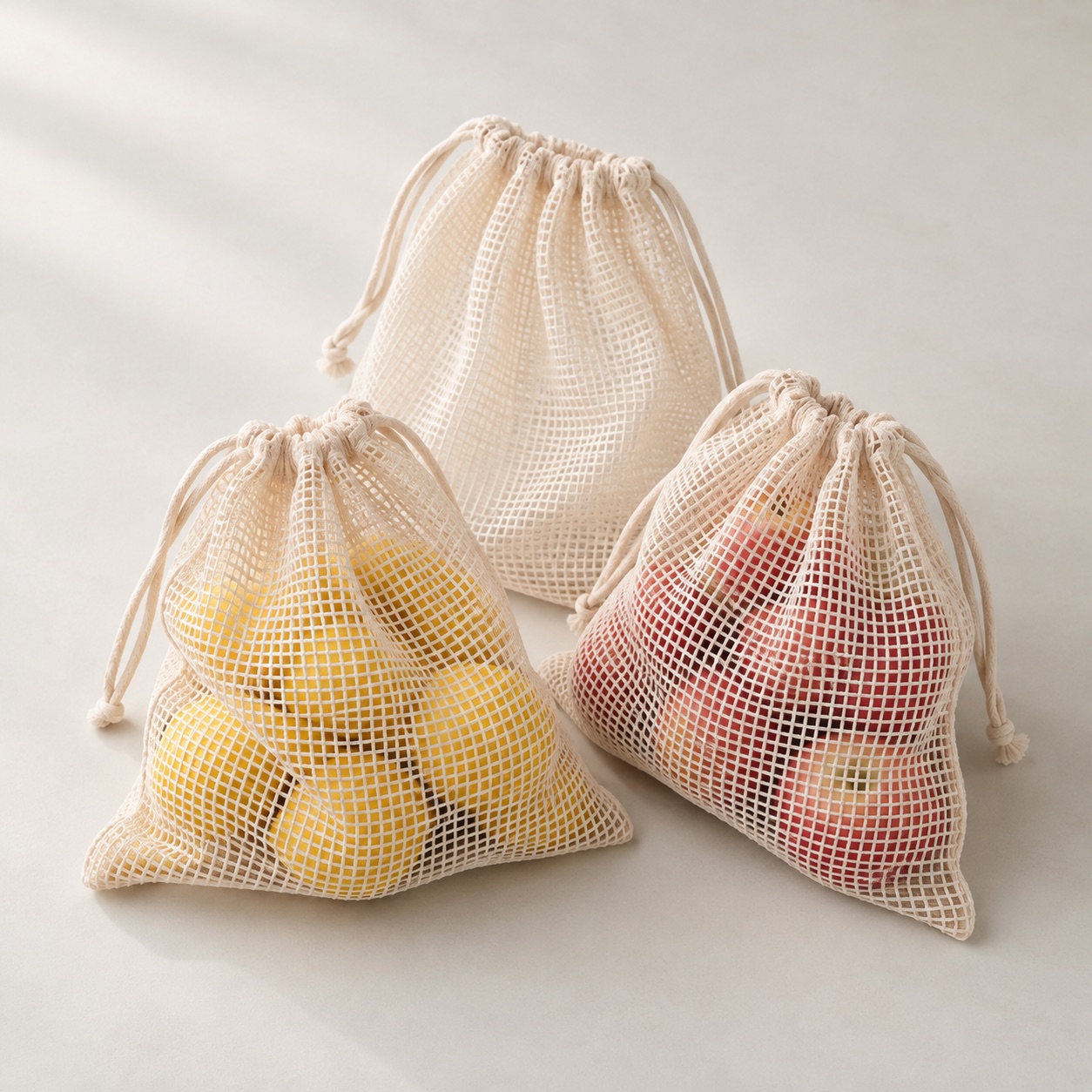
Keep produce bags near your shopping tote and a clean bottle by your keys. Simple placement can turn a good intention into a familiar habit. Start with one or two changes, notice what works, and adjust. There is no need to replace everything at once.
A practical place to begin
Think about a brush with a replaceable head, a few washable produce bags, or a lunch box that suits the food you carry. Read the dimensions and included items before choosing. The right product is the one you can imagine reaching for on an ordinary Tuesday.
Educational sample content for the GPS prototype. Product-specific claims and specifications require supplier verification.
More about our approach